The Best Open-Source Free CMS Systems In 2023
Posted August 8, 2023
A Headless CMS is a back-end Content Management System (CMS) where the content repository (body) is separated from the head (front-end). Its focus is on managing and delivering the content to any channel.
A headless CMS provides the content through its API, which then delivers content to your website, your app, or your devices. It’s a multichannel method for distributing dynamic content across multiple platforms and devices. Dive into this guide and learn the best open-source CMS systems in 2023 to add in you bucket list.
2023 Open-source CMS Overview
In determining which free headless CMS to use in 2032, here are some important factors to consider:
- Language support: A good headless CMS will include support for multiple languages.
- Flexibility: Your headless CMS should deliver content to other communication channels seamlessly.
- Data source integrations: Integrations are done with the help of APIs. A headless CMS generates and exposes CRUD as an API, allowing you to Add, Read, Update, or Delete data through the exposed API.
- Ease of implementation: The headless CMS should let you efficiently manage and deliver content to different platforms.
- API or code management based: APIs enable software to connect and communicate to allow content delivery. Data exposed through an API allows you to store and interact with that data. Code management is a technique of tracking code modifications for development projects. Developers and testers ensure they’re working with updated code and resolve conflicts while merging code from different sources.
The Best Open-Source Free CMS Systems In 2023
Finally, let’s take a look at comparing some of the best open-source headless CMS systems.
Netlify CMS
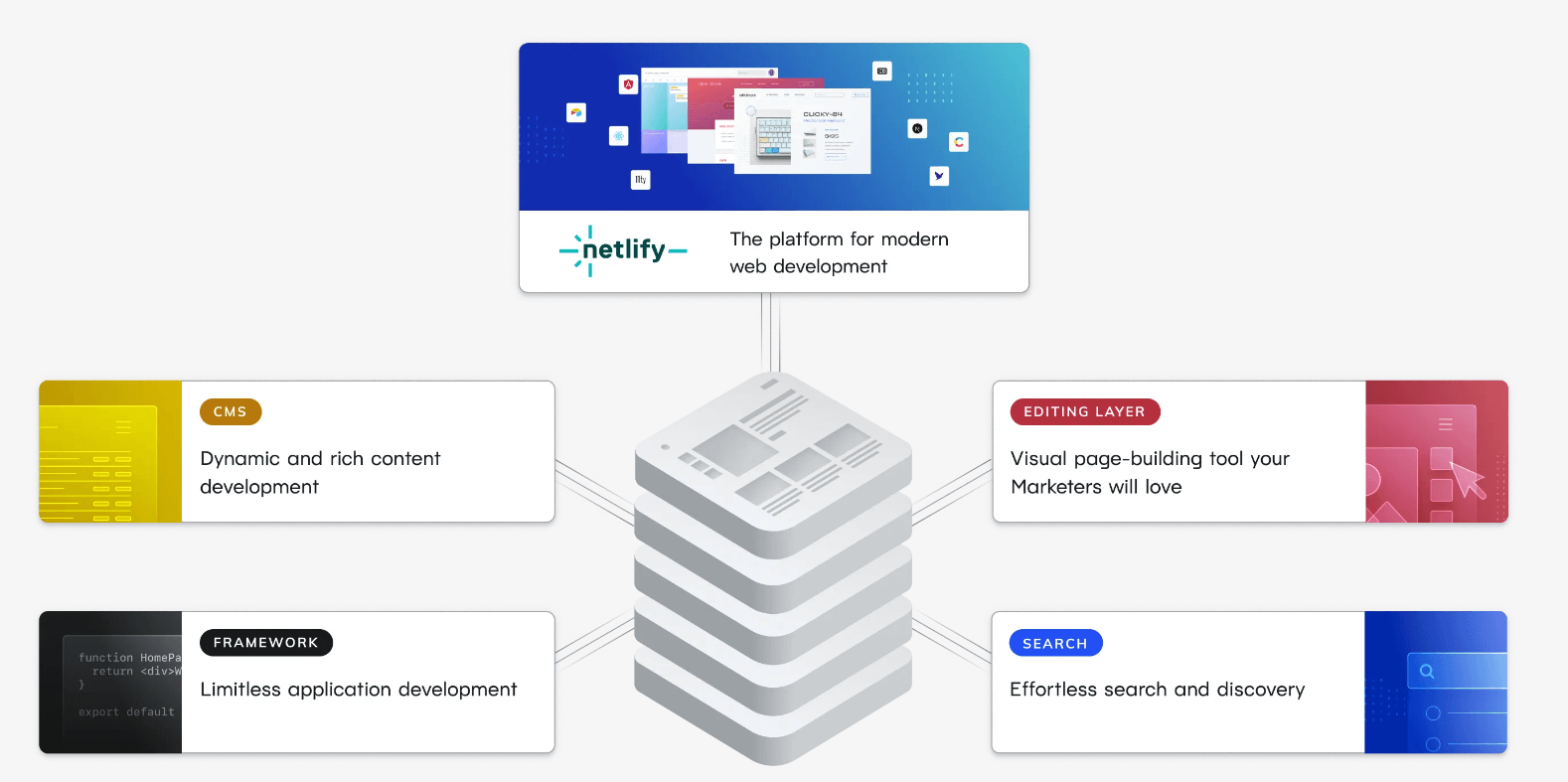
Netfly is a React-based open-source CMS that provides you with a friendly user interface and multiple language support. It is also flexible, as it shares content easily with the help of integrated APIs.
Netlify is a platform for building, deploying, and managing frontend web apps.It provides editors with an intuitive user interface that streamlines the workflow. Netlify CMS is built for static site generation, giving you the application speed and scalability that your user needs to efficiently interact with your application content.
Netlify CMS has capacity for Company Websites, E-commerce, Web Apps, and User/SaaS Apps Large Sites
Strapi
Strapi is an open-source headless CMS created in JavaScript. It’s fully customizable, extensible, and API-driven.
Strapi has an easy-to-use administrative panel that allows users to set up their APIs quickly. However, it does require users to have the right skill set in order to interact with the database that saves and generates the API data that dictates how the application will work.
With Strapi, users can create and manage content in multiple languages for multiple locales. Strapi also integrates with programming languages, tools, and static generators including React, Vue.js, Angular, Next.js, and more.
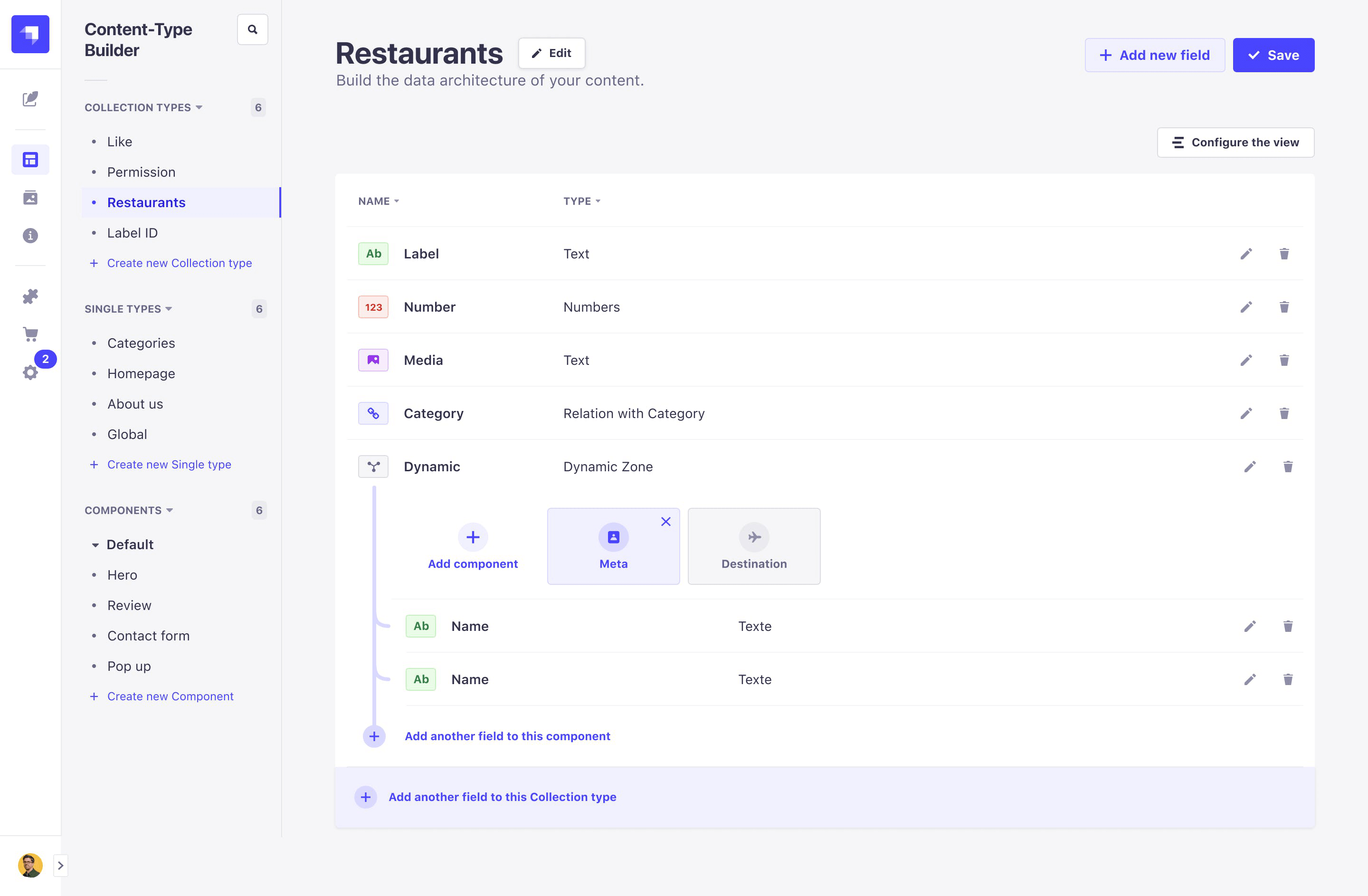
To use the Strapi API, a user must write a front-end application code. While this necessitates additional knowledge, it also provides a lot of flexibility in deciding which front-end technology best fits the user’s needs. The API can also be deployed to other channels based on your target groups.
If you’re more interested learning Strapi, I wrote A Complete Guide to Making API Calls in Android using Retrofit with Strapi open-source headless CMS.
Ghost
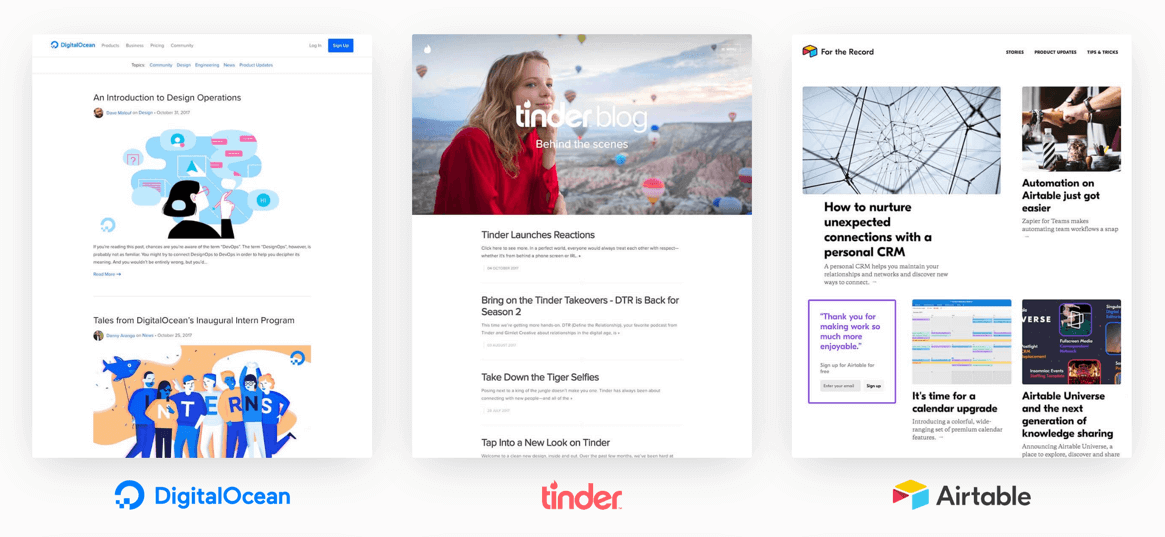
Ghost is an open-source, headless, Node.js-based CMS that is popular for blogging and online publication. It is powerful, flexible, API-driven, and integrates with other software to enhance performance.
Ghost supports multiple languages and offers flexible architecture and straightforward customizations to improve the site’s performance. Also, it can be installed and implemented with ease. Teams can work together efficiently by scheduling, editing, and analyzing data. Anyone can learn how to use Ghost because it’s so simple and intuitive.
However, Ghost is built for a specific audience. It best fits when used to build publication-based content. By default, it gives you publication characteristics such as tags, posts, categories, and featured images. This helps writers to organize content on the websites. It is also built with content monetization and SEO strategies in mind. SEO features and analytics aid in improving the website on content indexing. Ghost also offers a membership feature, ideal for content creators who want to monetize their content. Users can add a payment gateway and sell access to their content using this feature.
Directus
Directus is an open-source CMS ideal for projects requiring specialized databases. It is fully extensible, and users can easily manage content in the web app and deliver content using APIs.
Directus web app supports multiple languages, and more are being added through Crowdin locales. Directus creates incredible digital experiences and applications with the flexibility and power of a Data API. It allows managing content and raw data in any new or existing API. It is easy to use and is an intuitive admin application.
Directus APIs store data in customized SQL databases and then wrap the unaltered data with RESTful JSON endpoints. These JSON endpoints become portable, and developers can access them, allowing developers freedom to use the languages, frameworks, and channels of their choosing.
Tina
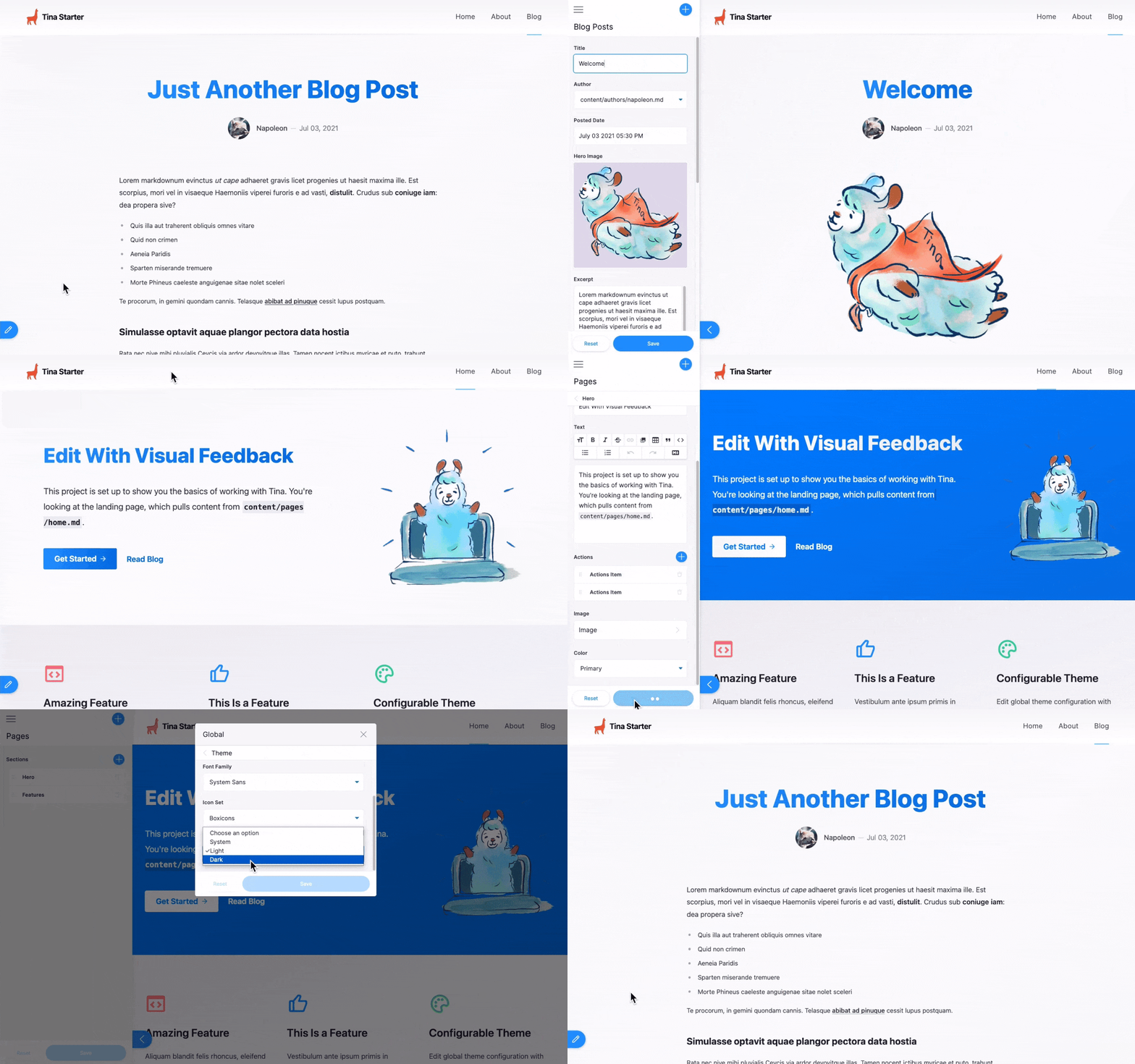
Tina is a Git-based open-source editor. It allows cross-functional visual editing in your Next.js project. It is easy to use and API-driven.
Tina is very flexible and extensible. There are a variety of ways to edit content using it. The simplest use-case is a Markdown file with front matter and a body. Tina is in beta, however, so full details about language support and ease of implementation are not yet available.
However, Tina can be integrated with a Next.js application. It enables users to manage content directly on their website rather than working from the platform. It provides a real-time editing interface for managing and updating content; after installation, users receive an edit icon, which opens the editing screen with the CMS fields. The content input is written to external data sources like Markdown or JSON files.
Tina CMS is designed to allow collaborations between content writers and developers. Developers can add custom editing to their web content, making Tina great for Git-based workflow collaboration.
Apostrophe
Apostrophe is an open-source CMS that is JavaScript-based. It customizes your e-commerce website by adding extensions to make it flexible with the help of APIs.
Apostrophe’s language support is provided with the help of the Apostrophe Localization module. With it, users can view content that needs to be localized. For example, If you switch from “English” to “French” and then view the localization report, you’ll see a list of pages that have never been translated into French or have a recent version in English. Once you’ve updated those pages in French, they won’t show up in the report again until the next time it needs to be updated.
Custom plugins are supported in this extensible and modular system. The text and images on the landing page may be directly incorporated into the app code, or they may not be from the same data source. With intuitive content editing, Apostrophe is simple to use.
Apostrophe focuses on organizational content management from small businesses to enterprise. It is a full-featured CMS that combines in-context editing and headless architecture to run a full-stack application.
Apostrophe allows users the flexibility to drag and drop customizable no-code websites. It offers in-context live editing and dynamic visual design tools. The tools allow users to manage organizational-based workflow settings such as user roles, permissions, and approval processes. Apostrophe also supports multi-site management through a central dashboard.
Conclusion
In the 21st century, the internet has dominated the world and many businesses are being predominantly conducted online. With the help of open-source CMS systems, you can sell and buy products online with ease.
This article introduced you to some of the the best open-source CMS systems options available today and equipped you with the information you need to make an informed decision as to which tools may be ideal for your own business.
With the newfound list, why not dive deeper and learn The Best Open-source E-Commerce Platforms in 2023? Or get more more outlandish in this Best Open-source OMS Softwares in 2023 guide.

Written By:
Joseph Chege
More Related Articles:
-
The Best Open-Source Free PIM Softwares In 2023
Product Information Management (PIM) is a software that gathers and manages all your product information in a central place, allowing you to optimize
Aug 8, 2023
-

The Best Open-source E-Commerce Platforms in 2023
Online presence is now crucial if you want your business to stay competitive, and there are many options to consider in weighing the type of
Aug 8, 2023
-

The Best Open-source OMS Softwares in 2023
An Order Management System (OMS) centralizes and automates order processing from all sales channels. OMS manages the entire supply chain as a
Aug 8, 2023